Why Gutters and Roofing Must Work Together
When most people think about their roof, they picture shingles and flashing. And when they think about gutters, they imagine rainwater being channeled away from the house. But what many don’t realize is this: your roof and your gutters are one system, and they need to work together.
In Texas, especially across Conroe, Montgomery, Walker, and Waller counties, the weather can be intense. From heavy rain and wind to blazing heat, your home’s first line of defense must be strong and coordinated. Here’s why seamless teamwork between your roof and gutters is essential, and what happens when they don’t function as one.
1. Gutters Keep Your Roof Healthy
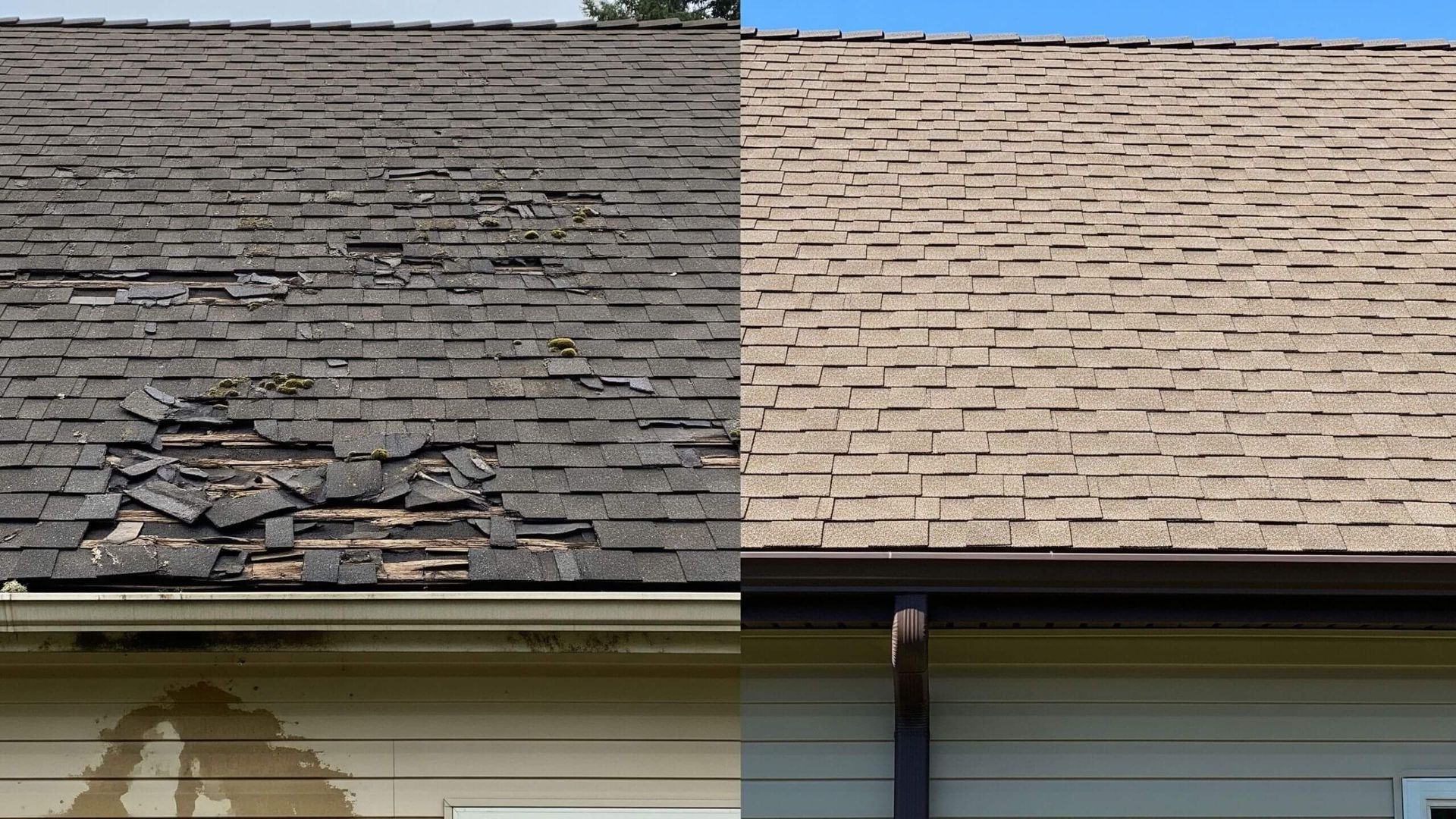
Rain doesn’t just fall off your roof in neat little streams. It follows paths — flowing over valleys, down slopes, and across shingles. Without properly placed and working gutters, that water has nowhere to go.
What this causes:
- Pooling water at roof edges
- Overflow onto siding and foundation
- Ice dams in colder seasons
- Premature wear of shingles at drip edges
- Good gutters ensure water exits your roof quickly and safely, reducing the load and stress on roofing materials.
2. Roof Damage Leads to Gutter Problems
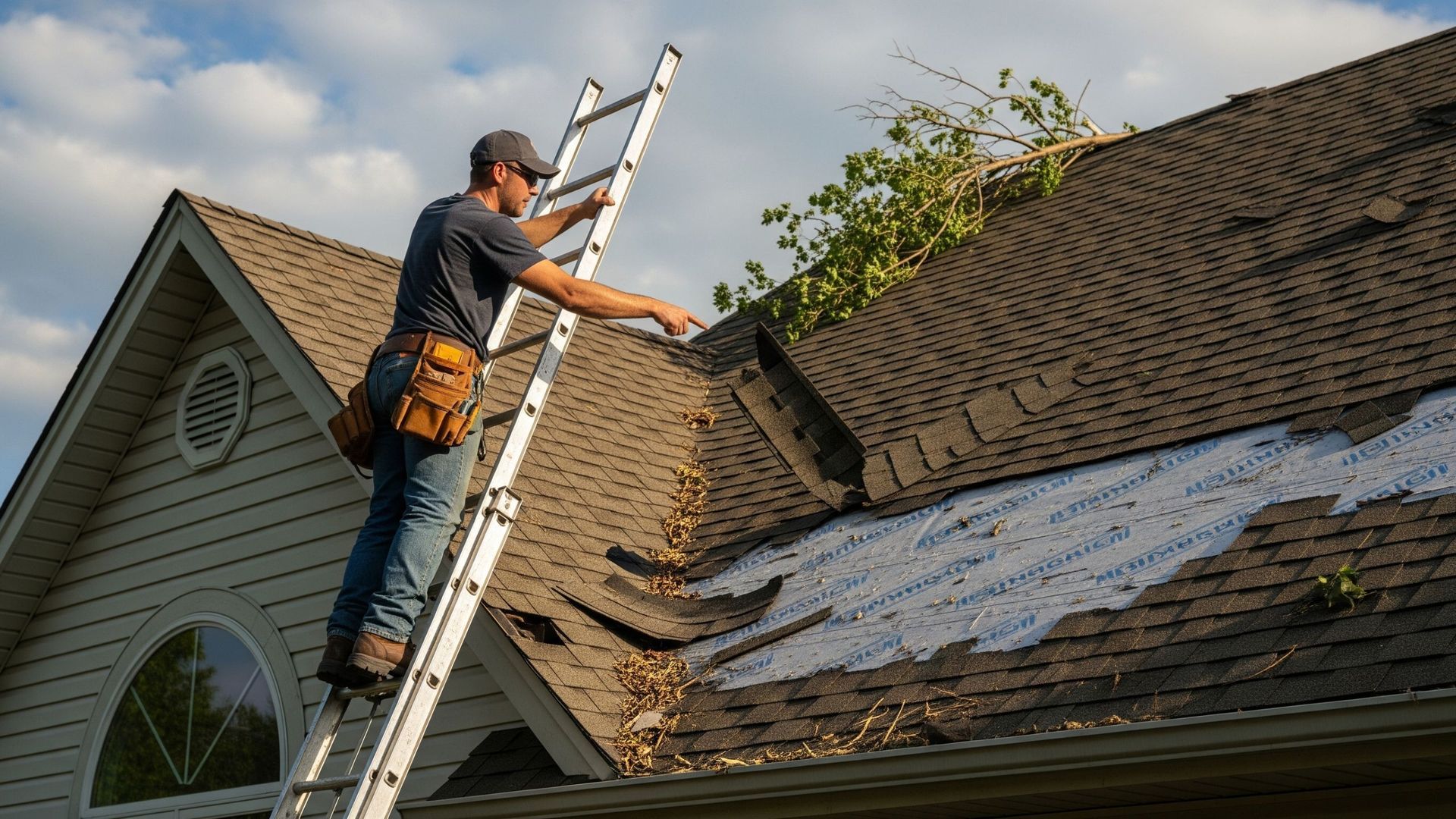
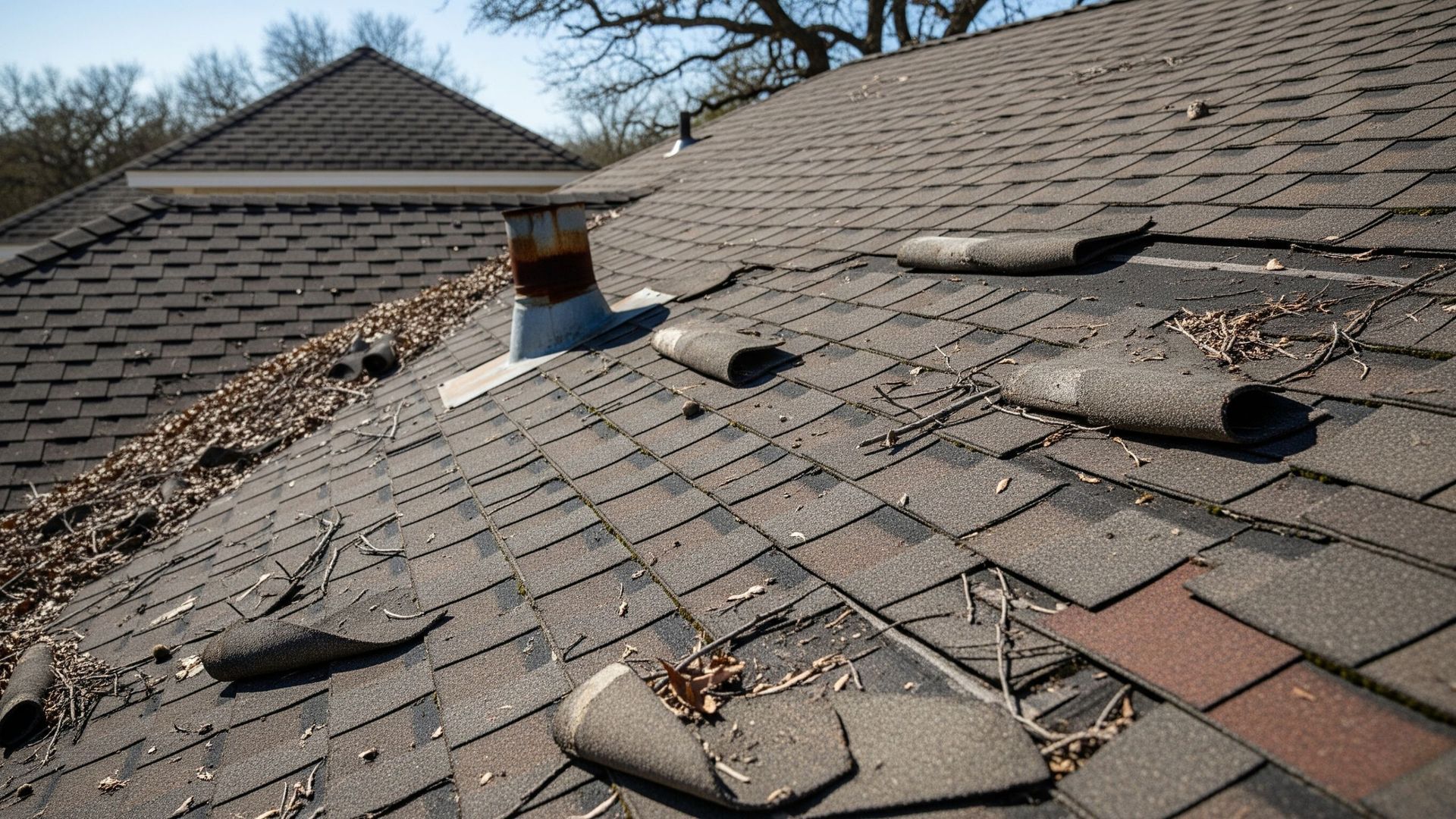
The relationship goes both ways. If your roof is cracked, sagging, or improperly aligned, it can direct water the wrong way, causing gutters to overflow or detach entirely.
What to watch for:
- Bent gutters caused by water runoff hitting at the wrong angle
- Overflow from one side of the gutter
- Downspouts pulling away from the structure
- Your gutters rely on your roof’s angles and drainage system to work correctly. Damage to one can throw the other out of balance
3. Clogged Gutters Damage the Roof
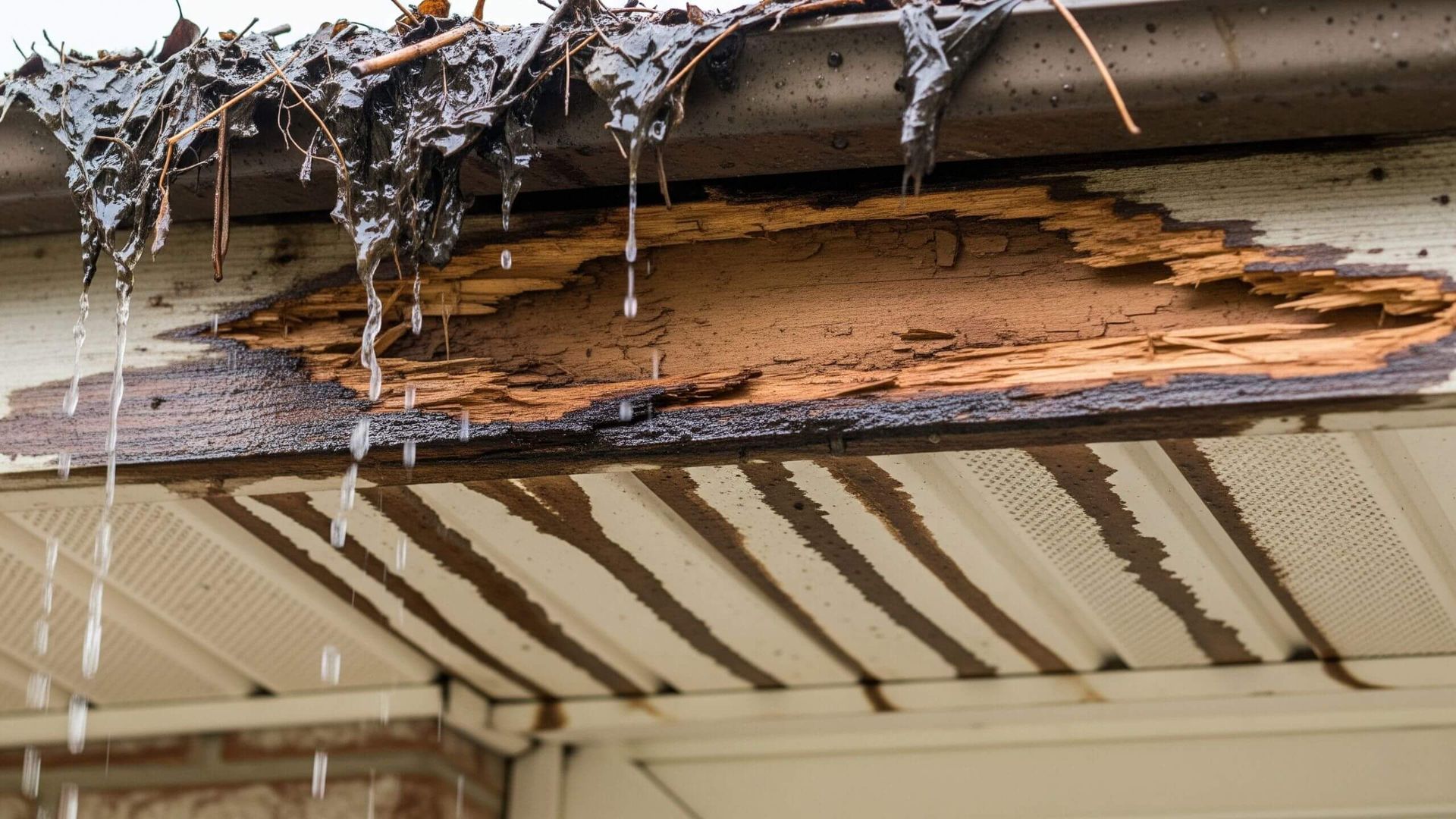
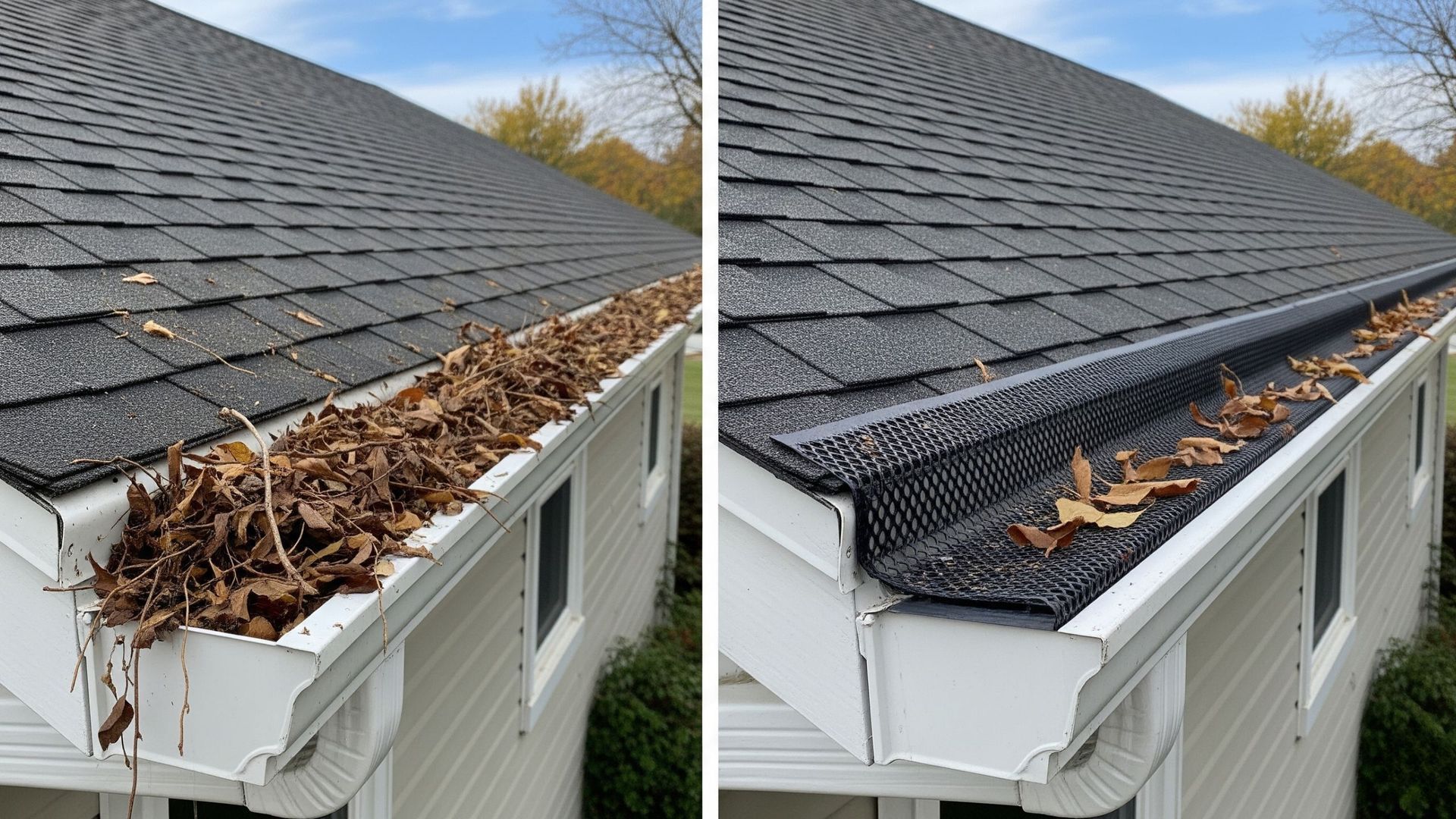
If your gutters fill with leaves, twigs, or granules from aging shingles, they stop doing their job. Water then backs up, and where does it go? Under your shingles, behind fascia boards, or into your attic.
This can lead to:
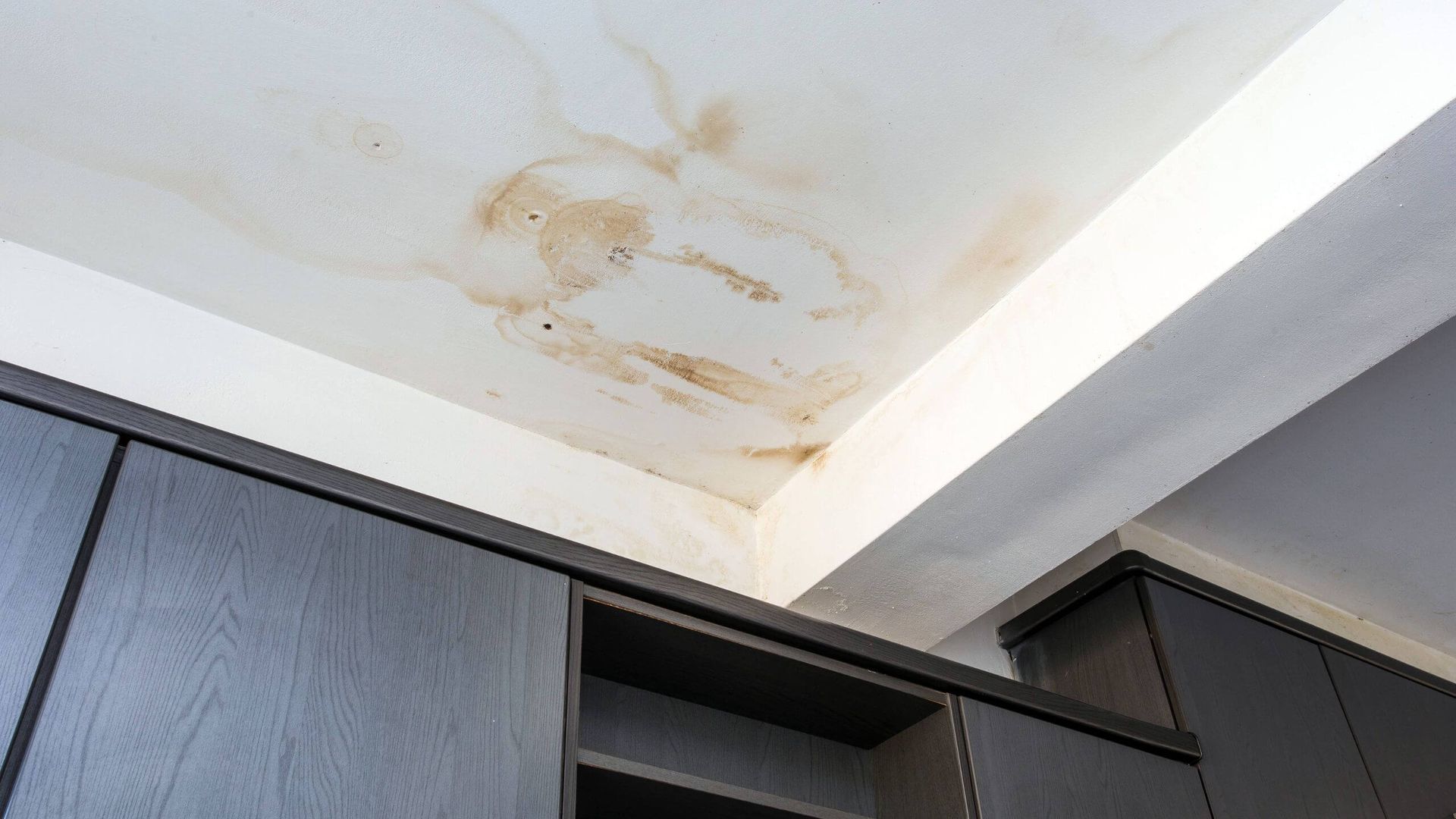
- Leaks and ceiling stains
- Rotted fascia or soffit boards
- Mold growth in attic spaces
- Even full roof decking damage over time
- A clogged gutter becomes a hidden leak factory. That’s why routine cleanings and inspections are vital — especially before and after storm season.
4. Storms Put Extra Stress on Both
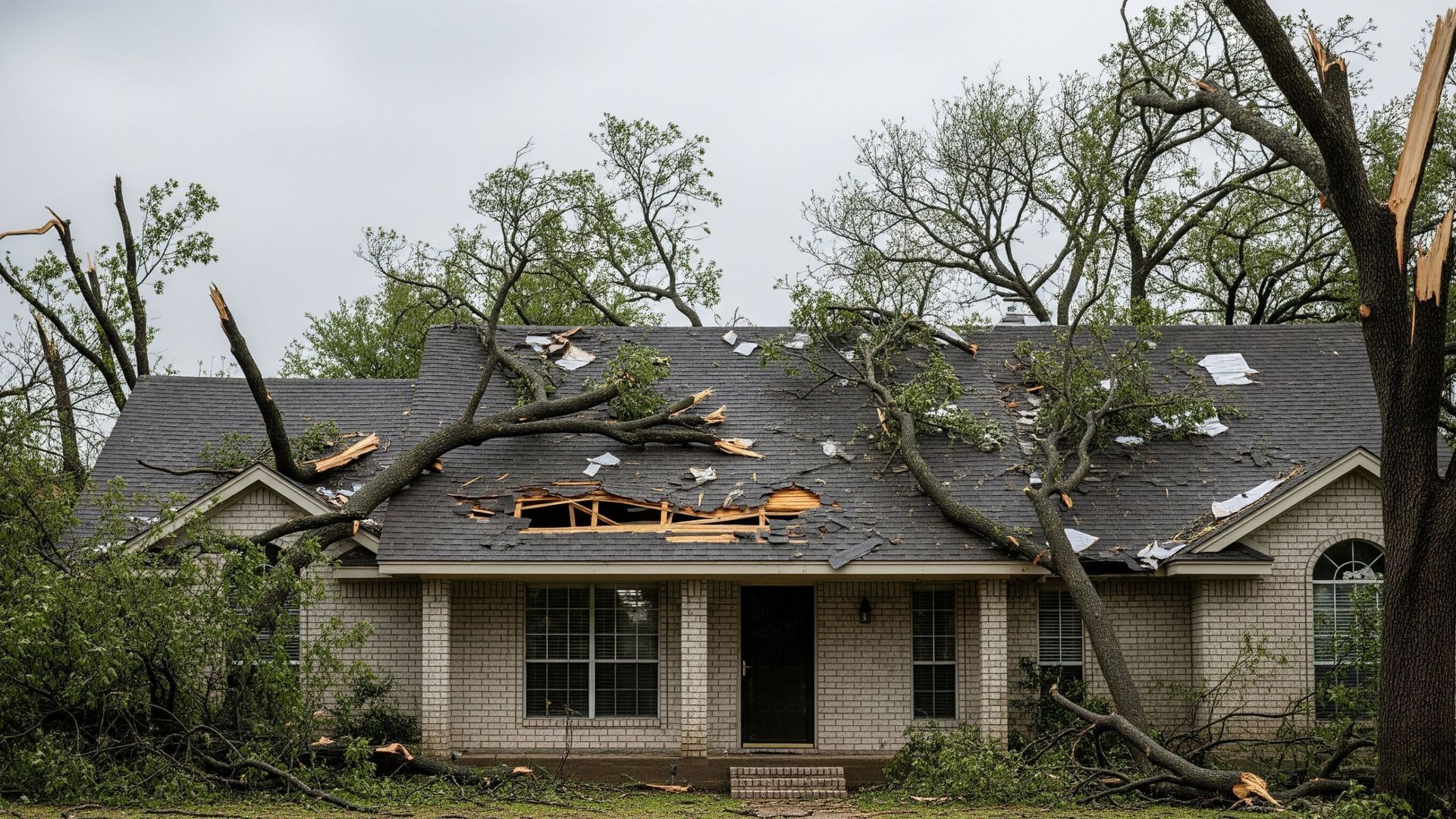
During a Texas thunderstorm or hurricane, high winds and heavy rain pound your roof and gutters at once. If your roof sheds water faster than your gutters can handle, or if debris blocks drainage during a storm, your home can take a hit.
Best defense:
- Secure gutters that are well-attached to fascia
- Properly pitched gutters that channel water efficiently
- A roof with solid flashing and drainage design
- Together, your roof and gutter system manage thousands of gallons of water in a single storm. They must be built and maintained to do it as a team.
5. A Unified Inspection Can Save You Thousands

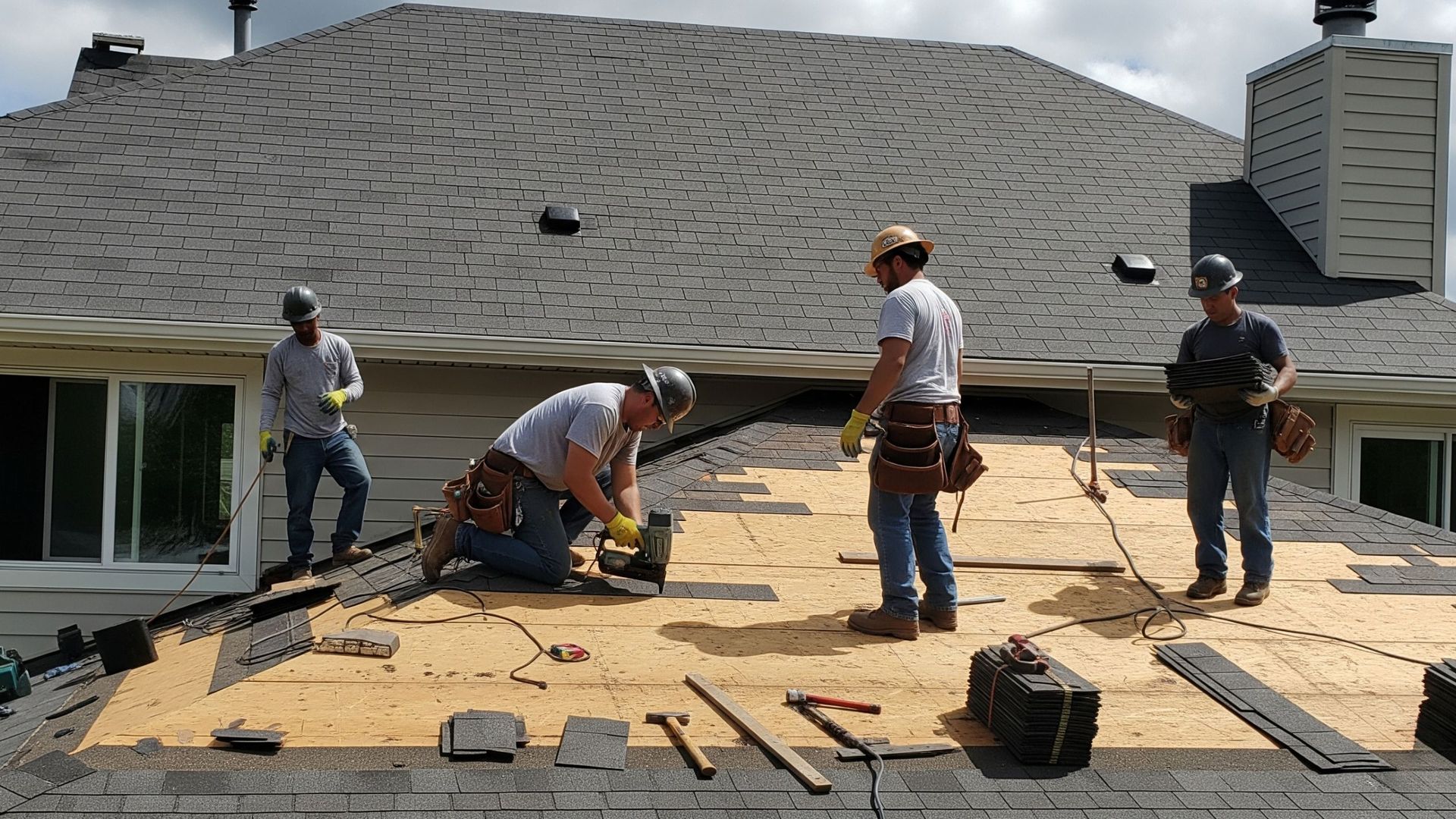
When scheduling a roof inspection, don’t forget your gutters — and vice versa. A disconnected approach can miss the root of a problem. For example, if you're constantly seeing water spots on your ceiling, it could be a roof issue or a gutter overflow problem. You won’t know unless both are assessed together.
A good inspection checks for:
- Proper roof drainage patterns
- Seamless gutter-to-roof transitions
- Signs of water backup or misdirection
- Roof edge wear from splashback or pooling
- Final Thoughts
Your roof and your gutters might seem like separate systems, but they’re not. Together, they protect your home from water damage, foundation issues, interior leaks, and mold. That’s why at TrustWorks Construction, we inspect and maintain both, making sure your entire exterior defense system is solid.
If you haven’t checked your gutters and roof together lately, now’s the time. Especially before Texas storm season hits hard again.