Top Signs of Hidden Roof Leaks
What to Watch For Before the Real Damage Begins
Not all roof leaks make themselves obvious right away. In fact, some of the most destructive leaks are the ones that hide behind walls, under insulation, or in ceiling spaces — slowly causing rot, mold, and expensive repairs.
If you live in Texas, where sudden storms and intense heat can weaken roofing systems over time, it's crucial to spot the early signs of hidden leaks. Here's how to know if your roof might be letting water in without you realizing it.
1. Mysterious Water Stains on Ceilings or Walls
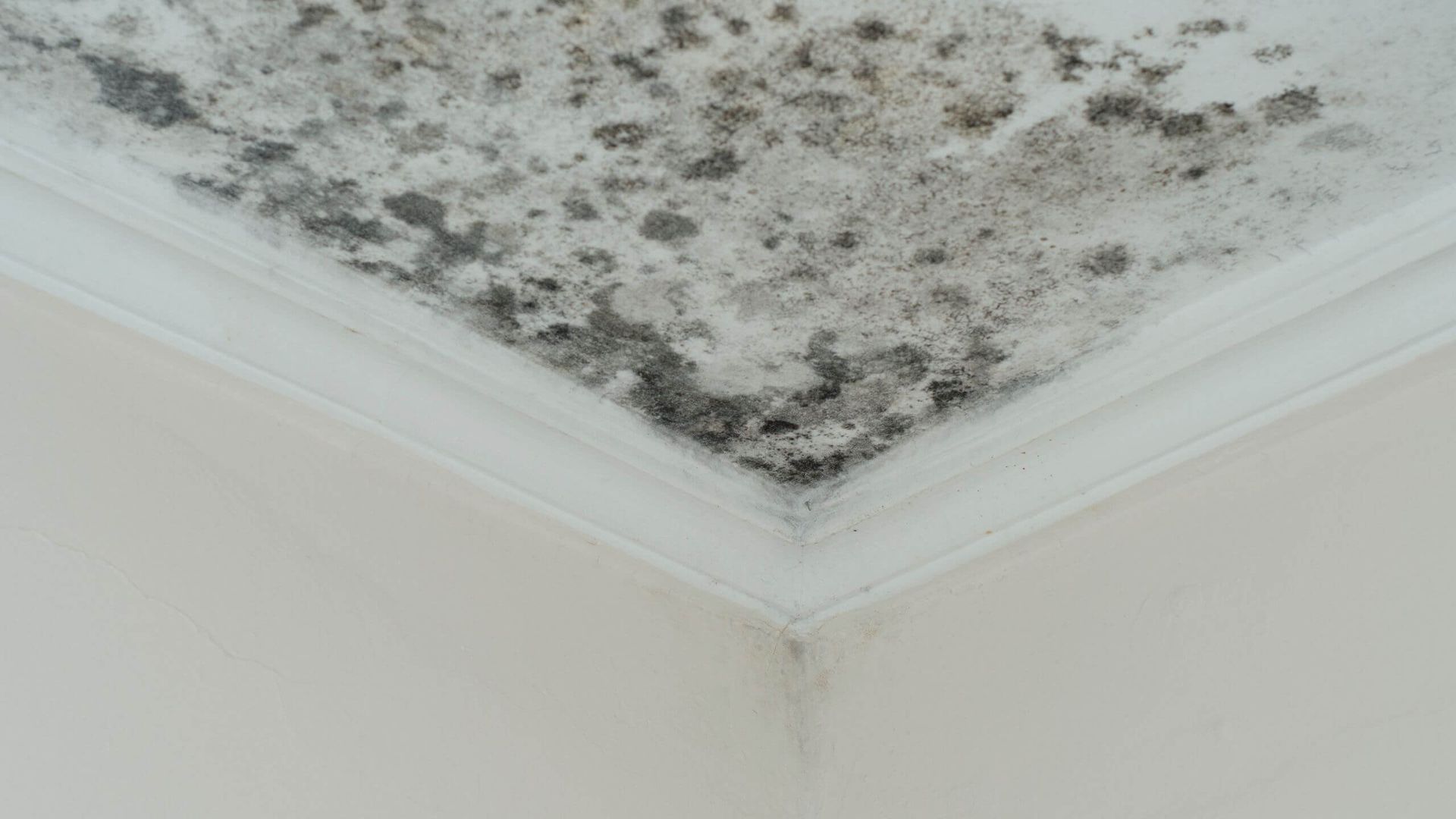
Water spots often appear as faint brown or yellow stains that gradually spread. They may look harmless at first, but they typically signal moisture from above — often the result of a small, slow leak that has seeped through insulation and drywall.
What to check:
- Look for stains that grow after rain
- Note any bubbling, peeling, or soft areas around the stains
- Use a flashlight in the attic to inspect for damp wood or insulation
2. Musty or Damp Odors Indoors
Unexplained smells are often your first warning sign of mold or mildew. If areas of your home suddenly smell “off,” particularly in corners or upstairs rooms, there may be trapped moisture somewhere above.
What it means:
Roof leaks can create the perfect environment for mold — warm, moist, and hidden. If ignored, mold growth can spread to air ducts and walls, impacting your indoor air quality and health.
3. Sagging or Soft Spots in Ceilings
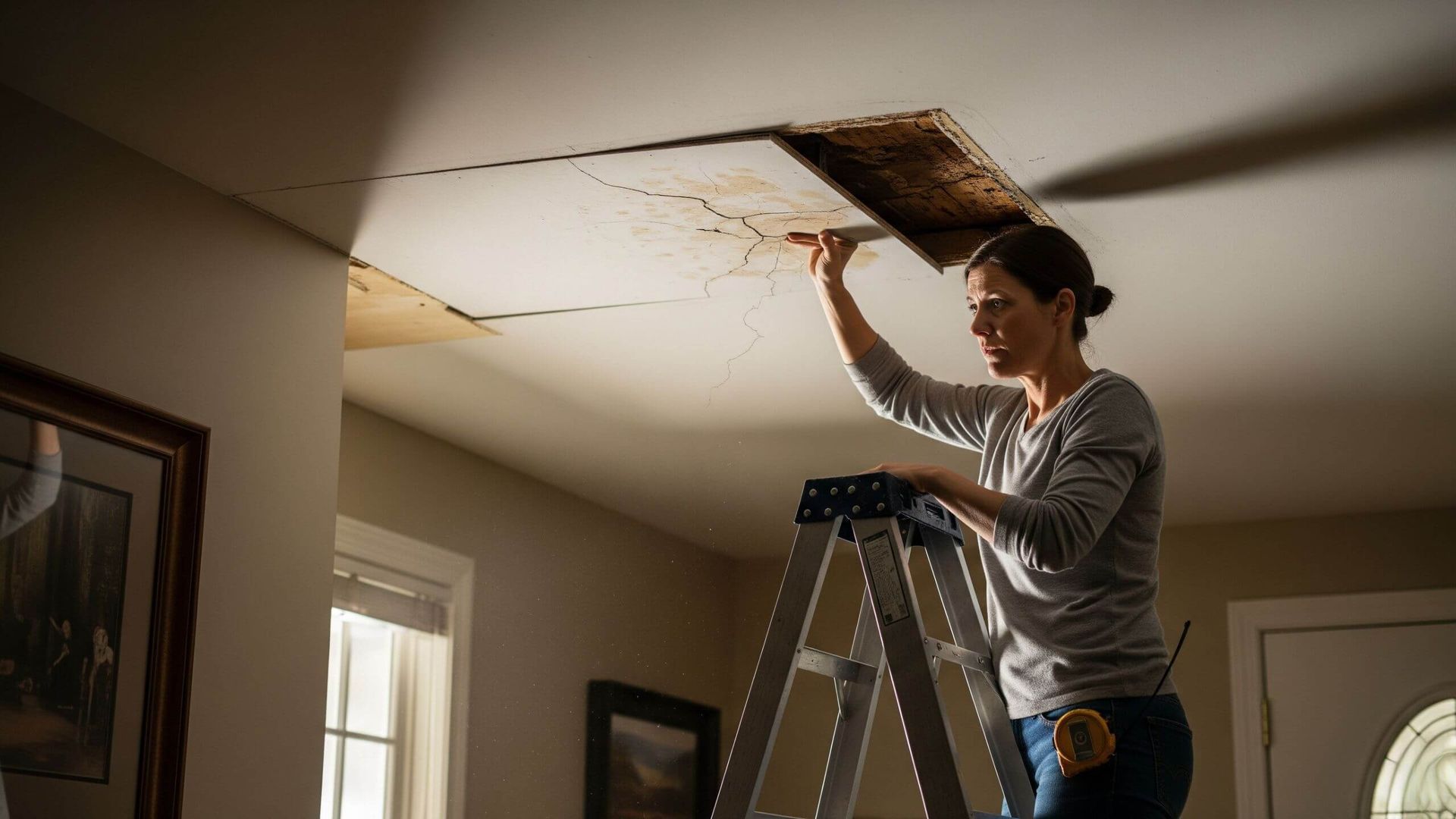
A sagging section of drywall or a ceiling that feels soft when touched is a red flag. This usually means water has pooled behind the surface and is weakening the structural integrity.
Watch for:
- Subtle dips or bubbling in ceiling drywall
- Paint that cracks or flakes off in odd patterns
- Areas that feel spongy or soft when lightly pressed
4. Peeling Paint or Wallpaper
Excess moisture under the surface can cause paint and wallpaper to separate from walls. You might see bubbling, discoloration, or peeling — especially near the top of walls or in corners.
Tip:
If you spot peeling paint near a ceiling edge or chimney, that may be the leak’s entry point.
5. Visible Mold or Mildew Growth
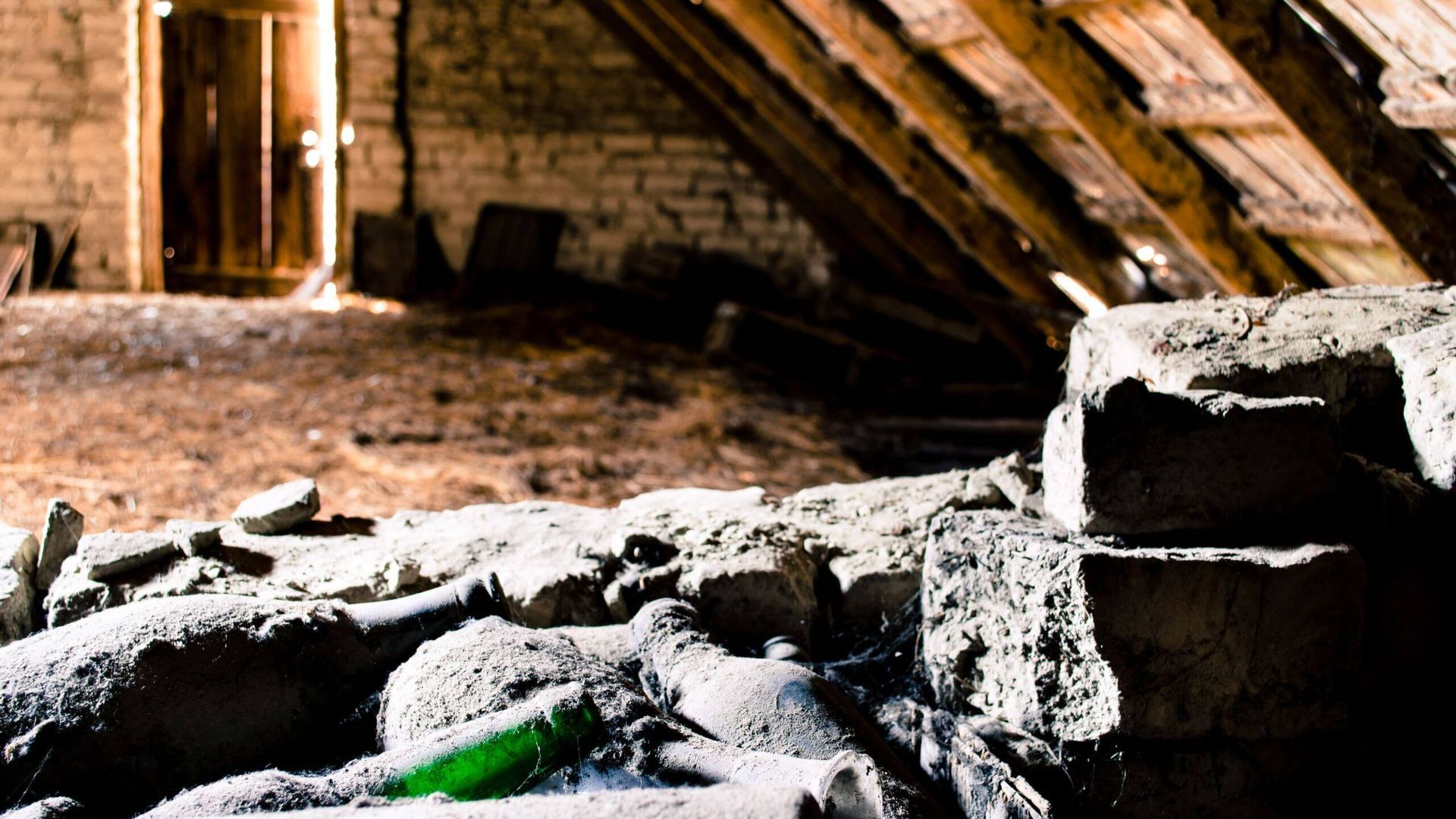
If you can see mold, especially in your attic, ceilings, or around window frames, it’s likely being fed by a consistent source of moisture. A hidden roof leak is often the culprit.
Important:
Mold may appear in places far from the actual roof damage. Water can travel along beams or pipes before becoming visible, so it’s important to check the entire roof structure if mold appears indoors.
Unexplained Increase in Energy Bills
If your HVAC system seems to be working harder than usual, it could be battling moisture. Wet insulation from a roof leak loses its ability to regulate indoor temperatures, causing energy bills to rise.
Clue:
Sudden energy spikes without changes in weather or usage can be a sign of water-damaged insulation above the ceiling.
Why Hidden Roof Leaks Are Dangerous
It’s easy to put off minor signs until you’re sure there’s a problem — but with roof leaks, delay can make things worse. Left untreated, leaks can:
- Weaken your roof’s structure
- Lead to costly interior remodeling
- Cause long-term mold problems
- Lower your home’s value
- That’s why a roof inspection is worth scheduling — even if you’re not sure where the water is coming from.